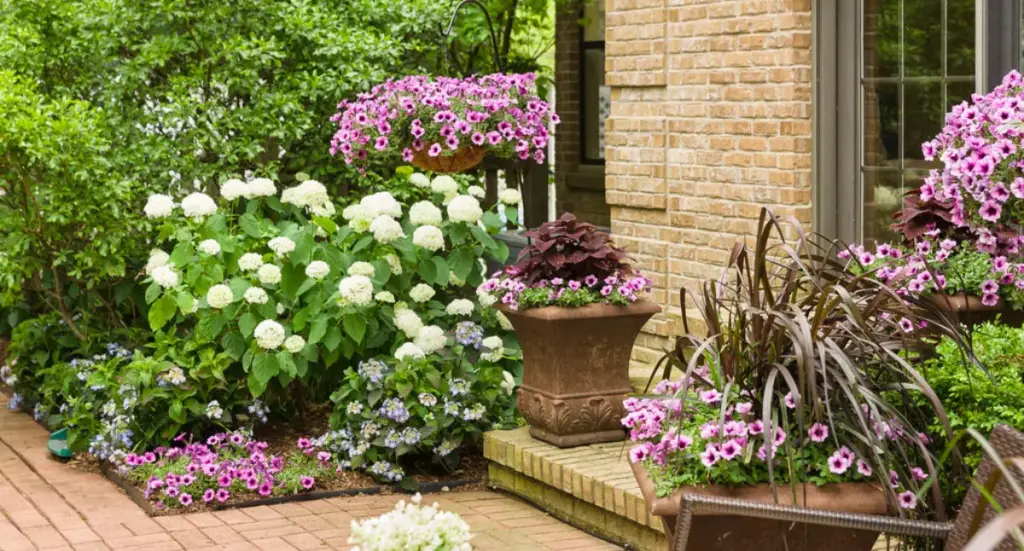
Nothing adds instant color and curb appeal quite like hanging baskets and porch pots. Whether you love bright blooms on …
Many of us enjoy creating a backyard sanctuary for wildlife, but deer can quickly turn your garden into an all-you-can-eat buffet. The good news? A combination of deer-resistant plants and effective deterrents can help protect your landscape while still keeping it beautiful.
The best way to protect your garden from deer is by combining multiple forms of protection. Start with deer-resistant plants, then add repellents and physical barriers like fencing, screening or netting in areas with heavy deer activity. Using a layered approach can help reduce damage and keep your garden looking its best throughout the season.
The most effective way to keep deer out is with fencing at least 8 feet tall. Deer are excellent jumpers! Options include:
• Plastic mesh fencing
• Woven wire fencing
• Garden screening and protective netting for vulnerable plants and vegetables
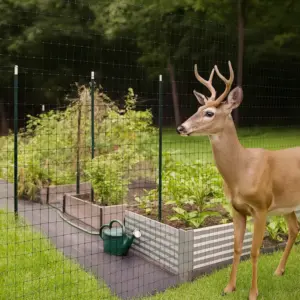
Repellents help discourage browsing by scent or taste. Rotate products occasionally for best results.
Popular options include:
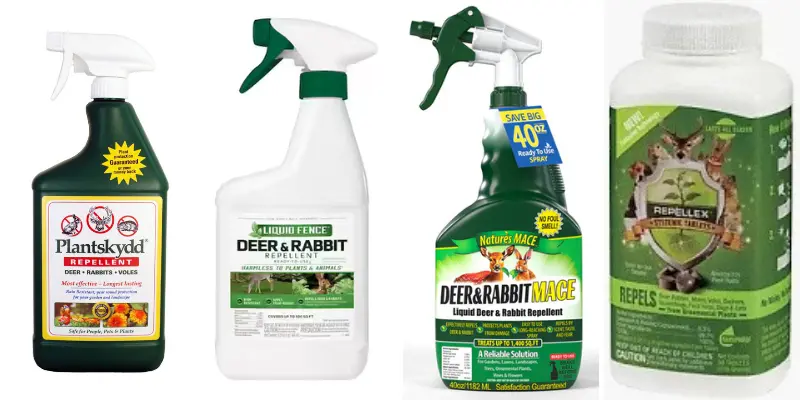
• Plantskydd® – Organic, environmentally safe repellent with predator-based scent
• Liquid Fence® – Rain-resistant deer and rabbit repellent
• Nature’s MACE® – Natural scent-based animal repellent
• Repellex® – Long-lasting deer and rabbit deterrent
While no plant is completely deer-proof, deer tend to avoid plants that are:
• Highly fragrant or aromatic
• Fuzzy or textured
• Thorny or prickly
• Strong tasting
Annuals
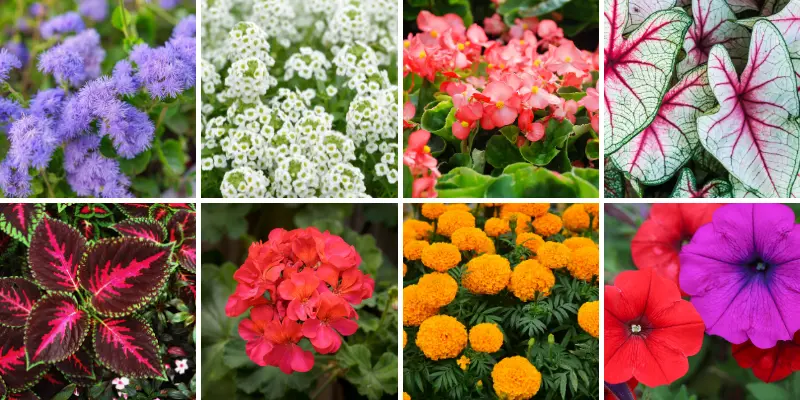
• Ageratum – Full Sun | Late Spring–Fall
• Alyssum – Full Sun | Summer–Fall
• Begonia – Shade–Full Shade | Early Summer–Frost
• Caladium – Full–Part Sun | Spring–Fall
• Coleus – Part–Full Sun | Spring–Fall
• Geranium – Full Sun | Spring–Fall
• Marigold – Full Sun | Summer–Frost
• Petunia – Part–Full Sun | Summer–Fall
• Snapdragon – Sun–Part Shade | Spring–Fall
• Torenia – Sun–Shade | Late Spring–Frost
Perennials
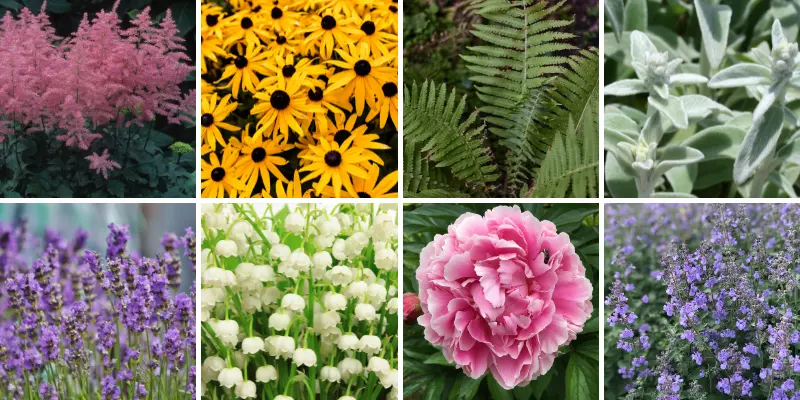
• Astilbe – Colorful plume blooms for shade gardens
• Black-Eyed Susan – Bright gold flowers that attract butterflies
• Ferns – Lush texture for shady landscapes
• Lamb’s Ear – Soft silver foliage deer avoid
• Lavender – Fragrant purple blooms all summer
• Lily of the Valley – Sweetly scented spring blooms
• Peony – Large fragrant blooms and long lifespan
• Russian Sage – Airy blue-purple flowers with aromatic foliage
• Thyme – Fragrant edible groundcover
Trees & Shrubs
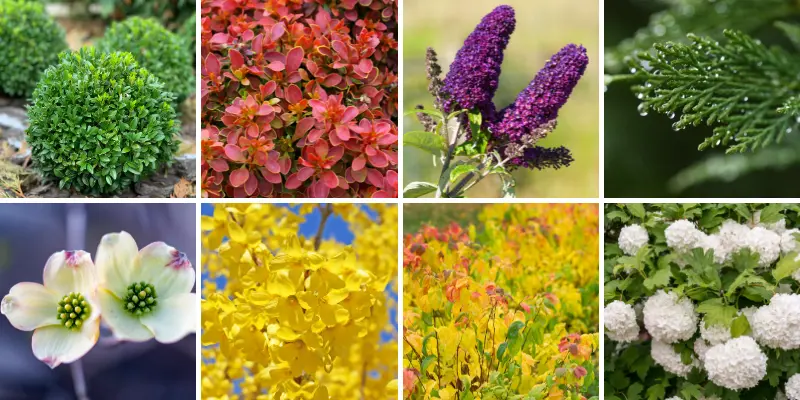
• Boxwood – Classic evergreen hedge
• Barberry – Bold colorful foliage
• Butterfly Bush – Pollinator favorite
• Cypress – Adds texture and year-round color
• Dogwood – Stunning spring blooms
• Forsythia – Bright yellow early spring flowers
• Spirea – Long bloom season and pollinator friendly
• Viburnum – Fragrant flowers and colorful berries
• Weigela – Colorful foliage and trumpet blooms
Vines
• Honeysuckle – Fragrant blooms that attract hummingbirds
For gardens with heavy deer pressure, combine deer-resistant plants with additional protection:
• Apply repellents regularly, especially after rain
• Use netting or screening around newly planted areas
• Protect vegetable gardens and container plantings with barriers
• Rotate deterrent products throughout the season
With the right combination of plants and protection, you can enjoy a beautiful landscape while keeping deer damage to a minimum.